


Ali Zafar and Ali Haider have reignited nostalgia with a new remix of the iconic track Zalim Nazron Se, released on November 21, but the music video has sparked sharp online debate over its bold, Western-inspired aesthetic.
The collaboration brings together two major pop voices, blending the classic melody and Roshan Naginavi’s original lyrics with Shani Haider’s modern production. Zafar described the experience of working with Ali Haider as a joy and an honour, noting that the remake was designed to celebrate shared memories associated with the song while giving it a fresh direction.
The music video, shot in Los Angeles, embraces a bright, retro-pop sensibility with stylised visuals and energetic choreography. Zafar appears in red, white and blue outfits as he performs around a glossy sports car, while Haider adopts a sleek, rock-star look with a black leather trench coat and sunglasses. The dancers, dressed in fitted all-black costumes with cut-out and cropped designs, add a Western disco flair that departs from the simplicity of the 1990s original.

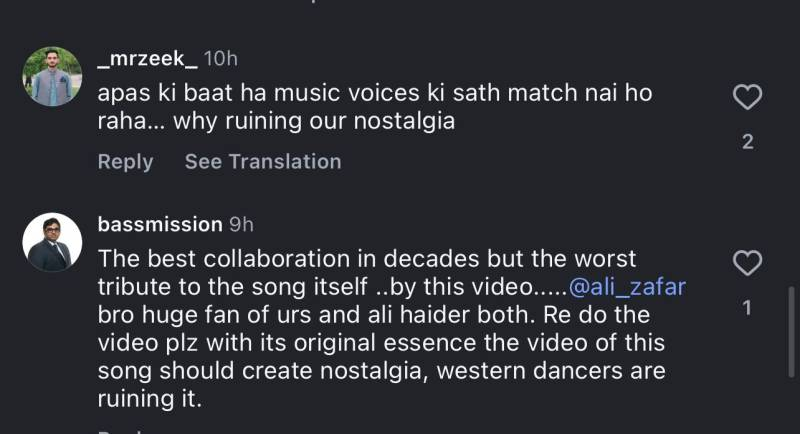
The bold visual treatment has earned both admiration and criticism. Many praised the remix as a strong comeback, with comments calling it a “legendary collaboration” and a revival done with flair. Others, however, objected to the aesthetic choices, arguing that they distracted from the song’s nostalgic charm.

Some viewers felt the presence of dancers and the use of Western styling were unnecessary. One user wrote that the singers alone could have carried the video, while another criticised the inclusion of “cars and girls” as diminishing the tribute. The critique highlighted fans’ emotional connection to the original version, with many expressing that the modern aesthetic clashed with the simplicity they cherished.

Despite the divide, both artists maintain that the remake is rooted in respect for the classic. Zafar emphasised that the project aims to honour the memories tied to the song while presenting it to a new audience. The conversation around the video reinforces how deeply Zalim Nazron Se remains embedded in Pakistan’s pop culture, and how reviving beloved classics often sparks passionate reactions.
Comments are closed.